Introduction to Girls Who Code and STEM Education
In recent years, the importance of STEM education—science, technology, engineering, and mathematics—has gained tremendous recognition. Yet, while the conversation around gender equality in these fields continues to grow, significant barriers remain for young women pursuing careers in tech. Organizations like Girls Who Code play a pivotal role in narrowing this gap by empowering girls to explore their interests in coding and technology. This article explores effective strategies to boost confidence and retention, supported by key data and actionable insights for educators and parents.
Empowering Girls Through Education
Education is a powerful tool to promote confidence among young female learners in the tech field. Initiatives that incorporate AI literacy into coding curricula have shown to enhance engagement and retention rates significantly. Programs funded by Girls Who Code have highlighted the need to not only teach coding but also contextualize it within emerging technologies like artificial intelligence. This approach empowers girls, providing them with the skills necessary to thrive in a rapidly evolving tech landscape.
Effective Mentoring Programs
Mentorship is an essential component of encouraging girls to pursue interests in STEM. Effective mentoring leads to a strong sense of belonging, which can significantly enhance the confidence of young women in tech. According to recent statistics, girls involved in mentorship programs are 50% more likely to stay in coding-related studies compared to their peers without mentorship. In this context, the role of seasoned professionals as mentors cannot be understated, offering guidance, support, and invaluable networking opportunities.
The Role of Community Events
Exposing students to various career pathways is crucial for building confidence. Programs like Computer Science Education Week organized by Girls Who Code aim to foster empowerment by allowing participants to articulate their learning experiences. Engaging in community events not only raises awareness about coding and technology careers but also encourages collaborative learning, thus boosting retention.
Data-Driven Approaches in Girls' Coding Education
The importance of data cannot be overlooked in shaping effective educational tactics. Tracking progress through data allows educators to make evidence-based adjustments to programs for young women in tech. The UNICEF strategy highlights a 'girl-centered programming' approach, aiming to empower young females by leading discussions on their education. As we move towards the 2027 goals, integrating data-driven tactics will be essential in maintaining female engagement in STEM fields globally.
Statistics and Trends for Girls in STEM
With women representing just 31% of core STEM students as of 2026, disparities continue to exist in fields like physics, where women occupy only 20% of roles despite making up 30% of graduates from related programs. These statistics reveal the ongoing need for effective strategies aimed at engaging girls in coding education. Furthermore, a recent study pointed out a troubling post-COVID trend where boys have regained an advantage in middle school STEM achievements, underscoring the need for tailored support for girls.
The Gender Pay Gap in STEM
Despite advancements in education, the gender pay gap in STEM continues to be a pressing issue. Women earn approximately 83p for every pound earned by their male counterparts. This inequality underlines the necessity for ongoing advocacy for equality in STEM jobs and the need for educational programs like those offered by CodeWithUs, which aims to bridge this gap through accessible coding education.
Strategies for Parents and Educators
As parents and educators focus on providing the best opportunities for girls in tech, several key strategies can be implemented:
Promote Online Coding Classes: Encourage girls to learn coding online through engaging platforms that offer interactive courses in popular programming languages, such as Python programming, JavaScript for beginners, and Scratch programming. Platforms like CodeWithUs make coding accessible and fun, fostering a genuine interest in technology.
Create Inclusive Learning Environments: Ensure that learning environments are supportive and inclusive. Foster discussions about the significance of diversity in STEM and encourage girls to share their experiences and challenges freely.
Encourage Participation in Coding Bootcamps: Coding boot camps can be an excellent way to immerse girls in programming. Short, intensive programs allow for close mentorship and rapid skill acquisition, equipping them for future coding challenges.
Utilize STEM Competitions: Encourage girls to participate in coding competitions or hackathons. These events boost confidence and provide a platform for girls to showcase their skills in a collaborative and competitive setting.
Foster Supportive Communities: Support girls’ coding education by fostering a community through local coding clubs or online forums where they can connect with like-minded individuals.
Conclusion
The insights derived from recent trends and statistics serve as a guide for organizations like CodeWithUs, providing a framework for educational programs aimed at boosting confidence and retention among girls in coding and STEM fields. By implementing evidence-based strategies such as mentorship, community events, and a focus on data-driven approaches, we can collectively work towards creating a brighter future where young women thrive in technology. Through accessible online coding classes and resources, CodeWithUs is committed to empowering future generations of female coders.
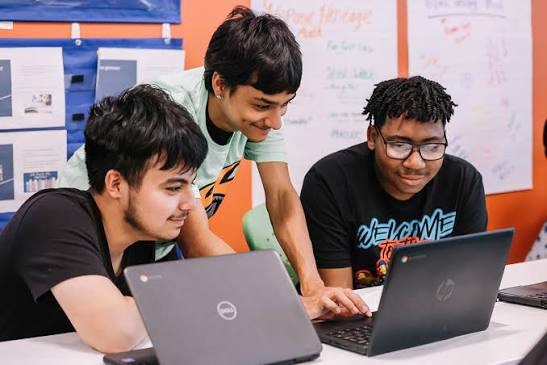
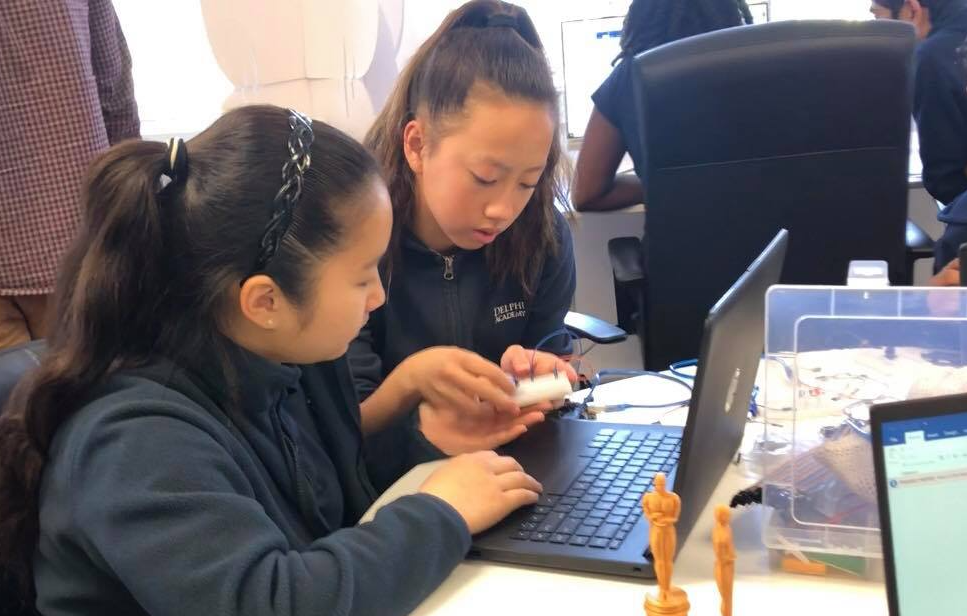
Featured Image Description: A group of young girls enthusiastically engaging in a coding workshop, showcasing teamwork and collaboration in a fun, educational setting, emphasizing the theme of girls in tech.